We are about to finish the second term and with it, the unit about politics "Make your voice count".
Along the unit, we have dealt with some political concepts and we have seen that we need to take part actively in society if we want to be heard and in order to our opinion be taken into account.
We have recently developed a debate we would like you to evaluate.
Here you have a questionnaire (DBH 3C) about it.
Thanks a lot!
viernes, 3 de marzo de 2017

martes, 26 de mayo de 2015
PROJECT ON MULTINATIONALS

lunes, 4 de mayo de 2015
SEPTEMBER 11th 2001
Do you know what happened on September 11th 2001? The Amercican society was shocked when they saw their nation attacked. The mythical Twin Towers from New York were crushed down after two planes impacted on them. Who was behind these attacks? What was the purpose of the attackers?
The September 11 attacks (often referred to as September 11th or 9/11) were a series of coordinated suicide attacks by al-Qaeda upon the United States on September 11, 2001. On that morning, 19 al-Qaeda terrorists hijacked four commercial passenger jet airliners. The hijackers intentionally crashed two of the airliners into the Twin Towers of the World Trade Center in New York City, killing everyone on board and many others working in the buildings. Both buildings collapsed within two hours, destroying nearby buildings and damaging others. The hijackers crashed a third airliner into the Pentagon in Arlington, Virginia, just outside Washington, D.C. The fourth plane crashed into a field near Shanksville in rural Pennsylvania after some of its passengers and flight crew attempted to retake control of the plane, which the hijackers had redirected toward Washington, D.C. There were no survivors from any of the flights. (extract taken from wikipedia)
 Authorities claimed that Al Qaeda and its leader, Osama Bin Laden were behind the attacks. But what do we know about them? Why were American soldiers sent to Afghanistan? To search for Bin Laden? Why weren't they successful?
Have a look at the following video, which is going to help us understand some things.
 Anyway, on Monday 2, 2011, Barack Obama, the president of the USA announced that Osama Bin Laden had been killed in a militar operation by American soldiers.
 This is how the Guardian, a British newspaper covered the news of his death and the later reactions to it.
The September 11 attacks (often referred to as September 11th or 9/11) were a series of coordinated suicide attacks by al-Qaeda upon the United States on September 11, 2001. On that morning, 19 al-Qaeda terrorists hijacked four commercial passenger jet airliners. The hijackers intentionally crashed two of the airliners into the Twin Towers of the World Trade Center in New York City, killing everyone on board and many others working in the buildings. Both buildings collapsed within two hours, destroying nearby buildings and damaging others. The hijackers crashed a third airliner into the Pentagon in Arlington, Virginia, just outside Washington, D.C. The fourth plane crashed into a field near Shanksville in rural Pennsylvania after some of its passengers and flight crew attempted to retake control of the plane, which the hijackers had redirected toward Washington, D.C. There were no survivors from any of the flights. (extract taken from wikipedia)

Have a look at the following video, which is going to help us understand some things.
sábado, 21 de febrero de 2015
THE INDUSTRIAL REVOLUTION
The industrial revolution took place in England, in the mid eighteenth century, and little by little it spread to other places. England was the perfect place, as it was a powerful country, with many iron and coal resources, and colonies all over the world. From there, they got raw materials, such as cotton, and once the product was manufactured, they could be sold in the colonies.
We say thet the Industrial revolution started, in fact, thanks to the invention of the steam engine. But what was it? Have a look at this video
Here you have some presentations and videos which will help you understand this period of time better.
No doubt, a social revolution took place at the same time, people migrated from the countryside to the urban area where the factories where located. Cities grew and we changed from a rural into a urban society.
However, the living and working conditions were taugh, and even children as young as six years were obligued to work because they could get under machines or in tiny and narrow places, better than an adult. Have a look!
We say thet the Industrial revolution started, in fact, thanks to the invention of the steam engine. But what was it? Have a look at this video
Here you have some presentations and videos which will help you understand this period of time better.
No doubt, a social revolution took place at the same time, people migrated from the countryside to the urban area where the factories where located. Cities grew and we changed from a rural into a urban society.
However, the living and working conditions were taugh, and even children as young as six years were obligued to work because they could get under machines or in tiny and narrow places, better than an adult. Have a look!
viernes, 16 de enero de 2015
FISHING TECHNIQUES AND NETS
For fishing we use sveral techniques, from the most simple ones till the most sophisticated ones. Here you have some:
Nets are very important for fishing. here you have the pictures of some of those nets we have explained so far:
| bag net |
 |
| fishing hooks |
 |
| fishing rod |
 |
| Drift net |
 |
| trawling net |
 | |
| Almadraba |
 | |
| Palangre |
VOCABULARY ON "FISHING"

Here you have a crosswords that may help you learn some of the concepts we have been working on lately. Just give it a try!
FISH
| finned fish |
 |
| sole |
 | |
| halibut |
 | |
| sardine |
 | |
| anchovy |
 | |
| flounder |
 | |
| herring |
 | |
| tuna |
 | |
| hake |
 | |
| cod |
 | |
| sea bream |
 |
 | |
| scallop |
 | |
| clam |
 | |
| squid |
 | |
| shrimp |
 | |
| Lobster |
 | |
| crab |
 |
| oyster |

FISHING IN DBH3
Students from DBH3 have just begun learning about fishing.As an introduction to the topic, we have watched a very interesting video("Deep Trouble" from the series Blue Planet produced by BBC), which explains why our seas are in big trouble at the moment. Have a look at it.
Fish market in Tokyo:
Coral reefs:
In fact, the BBC has got a very niceweb with lots of information about the seas, and even some nice games to play and learn about sea wildlife.
Here you have a test to see how much you know about our seas. Give a try!
Fish market in Tokyo:
Coral reefs:
In fact, the BBC has got a very niceweb with lots of information about the seas, and even some nice games to play and learn about sea wildlife.
Here you have a test to see how much you know about our seas. Give a try!
lunes, 22 de diciembre de 2014
BASQUE WHALING

viernes, 7 de noviembre de 2014
FARMING MULTINATIONALS
Last day I asked you to find some information on MONSANTO (official webpage), the biggest multinational on farming products.
Here you have some videos that illustrate the damages genetic manipulation developed by some multinationals is causing.
Here you have some videos that illustrate the damages genetic manipulation developed by some multinationals is causing.
FARMING
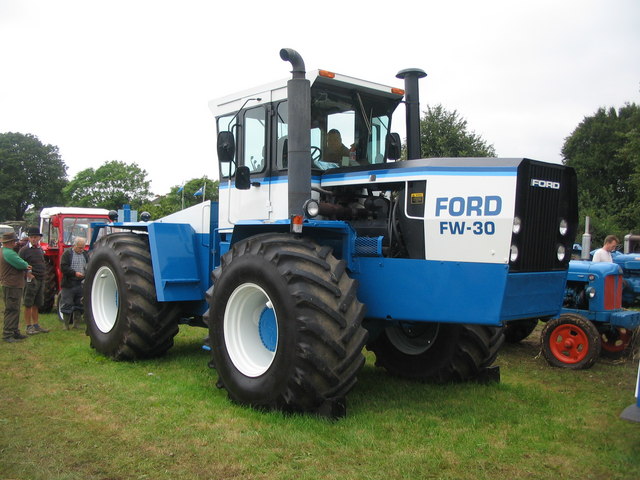 |
| machinery for farming |
Here you have some exercises that will help you prepare the exam you'll have soon.
 |
| bocage |
- Vocabulary exercises:
- exercise to practise some concepts connected with farming (crosswords).
- Matching pictures and concepts
- exercise with multiple choice options, for reviewing vocabulary and concepts learned until now.
- exercise where you have to fill in the gaps.
- Exercise on farming systems around the world with multiple choice answers.
- Here you have a mind map that explains all these farming systems in the world. I hope it will be very useful for the exam you will have soon. Have a look at it!
FARMING SYSTEMS IN THE WORLDopen-field
rice paddy
greenhouses
Extensive farming because of the extension of the territory, however, it's intensively exploited because of the use of many technological advances Intensive cattle raising Extensive cattle raising Artificial irrigation


lunes, 3 de noviembre de 2014
THE OIBAR VINEYARDS, DO WE HAVE A FUTURE?
This is a very interesting video of a young boy and his father who work in the Oibar vineyards. Listen to their opinion about their everyday life and future. Who does really controll the agricultural production? How can we fight it? Which are the possible solutions?
jueves, 16 de octubre de 2014
SEVERAL ECONOMIC CONCEPTS

Have a look at them and do the following activity:
Fill in this chart, but before ...
- Make a copy of the document and drag it onto My Drive
- Change the name of the document, (e.g: Ibai Arana economic concepts)
- Share it with me from the very first moment (larranaga.helena@laskorain.net)
- Take the data (datuak) of each row (lerroa) and make a clear graph to illustrate it. For that...
- Select the range of information (rows and columns)
- Insert - graph (choose the style of graph that most suits it)
martes, 30 de septiembre de 2014
IDENTIFYING BIOMES & LANDSCAPES
We have already started the course and BIOMES is the first work that students from SOCIAL SCIENCES (DBH·3) are going to deal with.
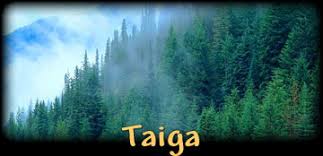
In groups of 4, they are going to search about each one of them (Tundra, Taiga, Decidious forest, desert, savannah (grasslands) and rainforest), and they are going to present their discoveries to the rest of the class.
So far, we have learned quite a lot of new vocabulary and concepts, and it´s worth revising them.
Here you have a nice crosswords for testing how much you have learned.

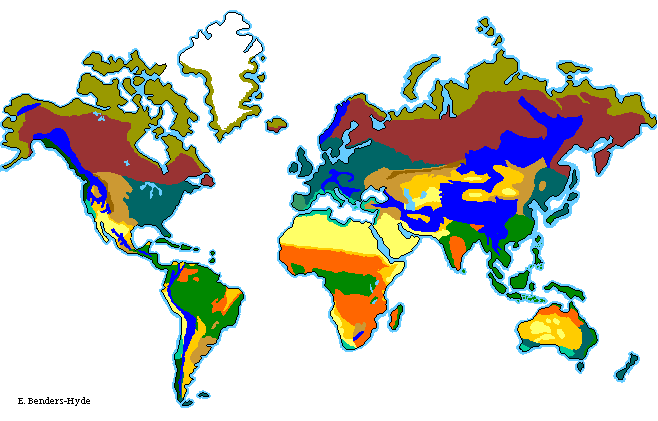
This is an easy exercise to identify the different biomes. The only thing you have to do is drag the answer and locate it on the picture.
We also have learned about the different characteristics of biomes. Well we can practise and prepare ourselves for the exam if we click on the above link.

Now that we know quite a lot about biomes, let's check it! Here you have an exercise that will tell you how much of the information presented in class you have understood. Ready? So go for it! It's going to be a good test for the next exam you will have soon.
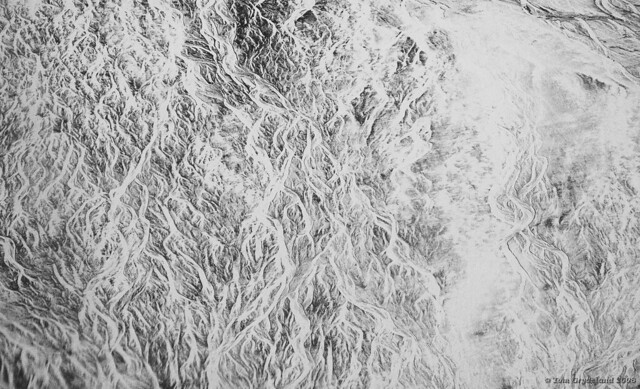
Concerning landscapes, we have seen three different types of them. Do the following exercise where you just have to match the picture with its corresponding name.
And here you have another exercise where you have to match the pictures to their correct definitions.
And what would happen if we transformed our nature in a non-rational and non-coherent way? Do this exercise
In groups of 4, they are going to search about each one of them (Tundra, Taiga, Decidious forest, desert, savannah (grasslands) and rainforest), and they are going to present their discoveries to the rest of the class.
So far, we have learned quite a lot of new vocabulary and concepts, and it´s worth revising them.
Here you have a nice crosswords for testing how much you have learned.
This is an easy exercise to identify the different biomes. The only thing you have to do is drag the answer and locate it on the picture.
We also have learned about the different characteristics of biomes. Well we can practise and prepare ourselves for the exam if we click on the above link.
 |
| Savanah / grasslands |
 |
| Decidious forest |
 |
| The Tundra |
 |
| Desert |
Now that we know quite a lot about biomes, let's check it! Here you have an exercise that will tell you how much of the information presented in class you have understood. Ready? So go for it! It's going to be a good test for the next exam you will have soon.
Concerning landscapes, we have seen three different types of them. Do the following exercise where you just have to match the picture with its corresponding name.
And here you have another exercise where you have to match the pictures to their correct definitions.
And what would happen if we transformed our nature in a non-rational and non-coherent way? Do this exercise
Suscribirse a:
Entradas (Atom)
